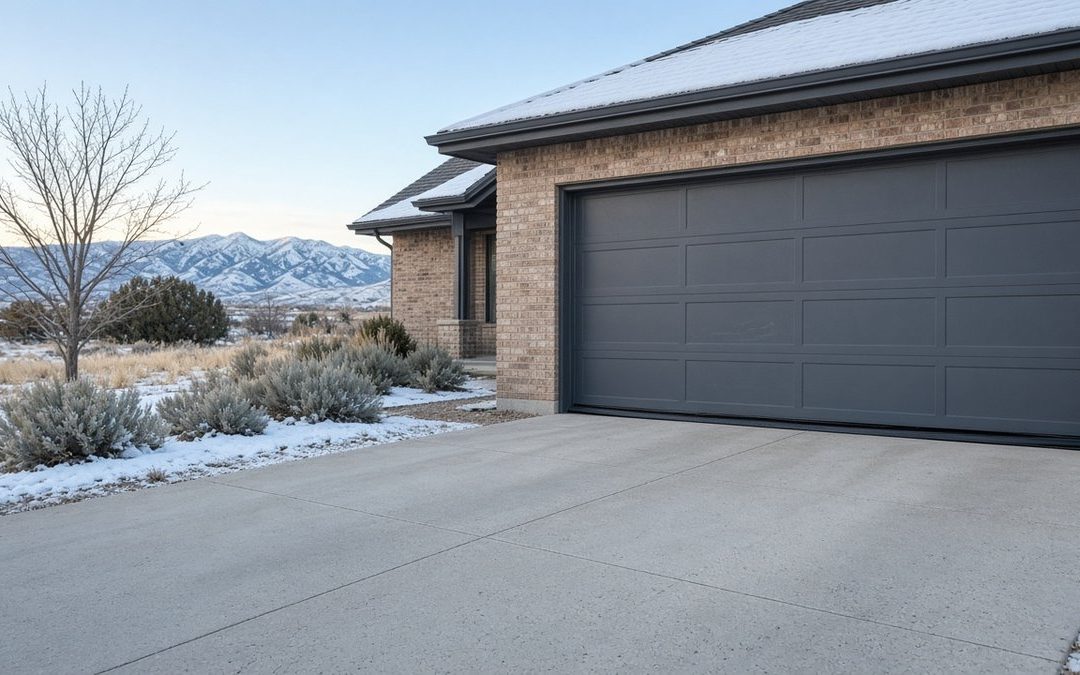
If you live in Cedar City, winter is when mice start looking for a warm place to hide. You hear a scratch in the wall, find droppings under the sink, or notice a gap at the bottom of the garage door — and you want a clear answer on how to keep mice out of your house in winter, not a pile of guesswork. The same thing happens in nearby towns like Enoch, Parowan, and Kanarraville, where nights get cold and a house, garage, or shed starts to look like shelter.
Cedar City winters are colder than what you get down in St. George. That matters. Mice don’t take the season off. When it’s cold outside, they move indoors for warmth. If your house has a gap, a food source, or a quiet place to nest, they’ll use it.
How to Keep Mice Out of Your House in Winter
The work is simple, and most of it happens before you ever set a trap: close the holes they use, take away food, and clean up the hiding spots along the foundation and in the garage. If they’re already inside, you still do those things — you just don’t stop at a single trap in the kitchen and hope it ends there.
Why mice show up in Cedar City when it turns cold
On our rodent control page we say it plainly: rodents are active every month, and during winter they move indoors for warmth. That’s what we see in Iron County. Cedar City has a mix of older neighborhoods, rural properties, and student housing near SUU. Older homes near downtown, houses with wood siding, and unsealed utility entries come up a lot. If you live out toward Enoch or Parowan, you’ve got the same pattern — colder nights and buildings that sit closer to open land, sheds, and stored feed or trash.
The house mouse is the one we run into most. They’re small, they nest in wall voids, attics, storage boxes, and behind appliances, and they leave droppings and urine as they travel. You may never see the mouse. You see the evidence: droppings along a wall or under a sink, gnaw marks on food packaging, shredded paper or insulation, or scratching in a wall or ceiling at night.
Don’t wait for a daytime sighting. By then they’ve already found a route in.
Close the gaps they actually use
Mice don’t need a wide-open door. A house mouse can squeeze through a hole the size of a dime. Walk your Cedar City home inside and out and look at the obvious weak points:
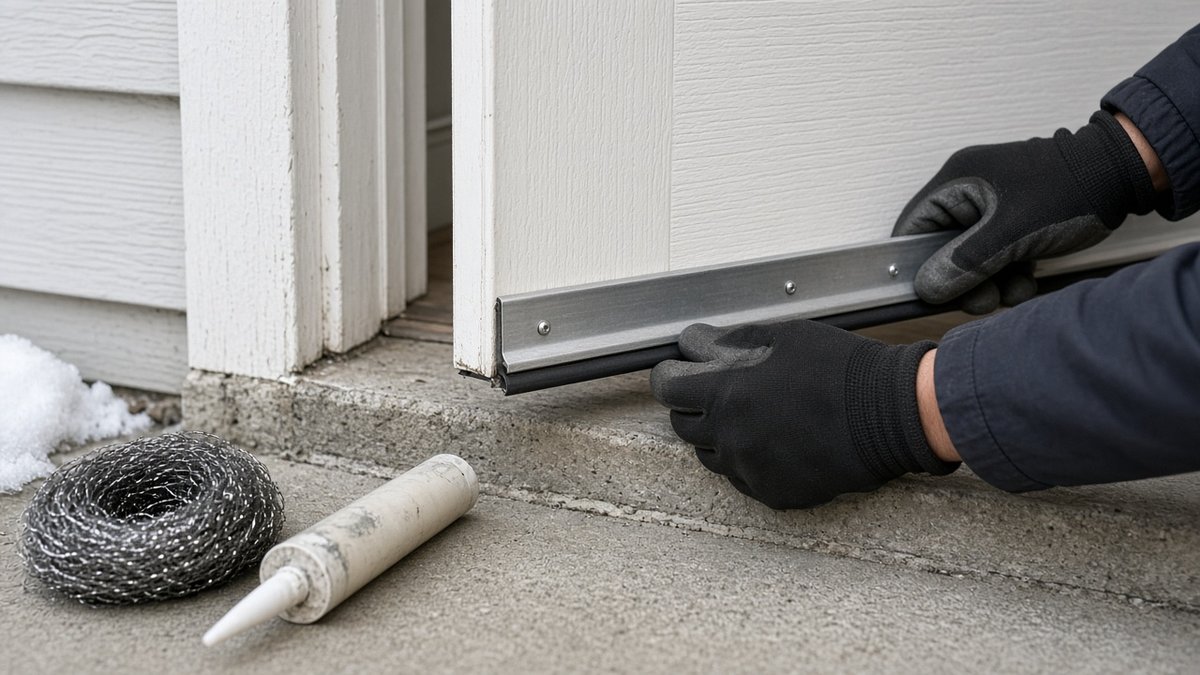
- The bottom of exterior doors, including the door from the house into the garage. If you can see light under a door, that’s a gap worth fixing. A door sweep and solid weatherstripping help.
- The garage door itself. Worn bottom seals are a common way in, especially if you park in there and the door sits a little open, or the rubber is cracked.
- Gaps around pipes, dryer vents, A/C lines, and other utility entries.
- Foundation cracks and holes near the ground.
- Roofline gaps and vents that aren’t screened.
You can do a lot of this yourself with caulk, new weatherstripping, and a door sweep. For holes mice can chew back through, professional exclusion uses rodent-proof materials — steel wool, metal flashing, expanding foam, and hardware cloth — around pipes, utility entries, rooflines, garage doors, and foundation cracks. That’s the part that keeps a mouse from walking back in after you’ve caught the one you heard last night.
Take away food and nesting spots
A sealed house still gets interest if you’re feeding the problem. Keep it boring for them:
- Store food in sealed containers, including pet food and bird seed. Don’t leave pet food in a bowl overnight.
- Wipe up crumbs and take the kitchen trash out with a tight lid on the can.
- Check the garage and any shed. Cardboard boxes, stored grain, dog food, and clutter along the walls are easy cover.
- Pull junk, lumber, and firewood away from the foundation so the base of the house isn’t a hideout.
- Fix leaks and standing water where you can. Mice will use a handy water source.
This is the same advice whether you’re in a downtown Cedar City house or a property out by Kanarraville. The building details change. The habits don’t.
If you already have mice inside
Sealing and cleanup still matter. A trap in one room, with the hole still open, just makes room for the next mouse.
Store-bought traps can catch a mouse. They often miss the runways and the entry points, which is why the problem comes back. If you’re already hearing scratching at night, finding fresh droppings, or seeing gnawed wiring or food, it’s time for a real inspection — not another week of waiting to “see if it stops.”
We handle this with an inspection first: identify what you’re dealing with, find entry points and nest areas, and look at food sources. Then we use trapping and, where it fits, bait stations, and we seal the gaps so they can’t just come back in. That’s our rodent control process — inspection, trapping, and exclusion — and we do that work in Cedar City, not just down in St. George.
If you call in the morning, same-day service is often available. There’s no contract. Family-owned since 2003.
Mice can carry disease, including hantavirus and salmonella, and they chew wiring, insulation, and food packaging. This is a home and health problem, not a “wait until spring” problem. If someone in the house is sick and you think it could be related to rodent droppings or nesting, talk to a medical professional. Don’t stir up a nest or sweep dry droppings around without taking basic care — the goal is to get the mice out and the entry points closed.
A simple winter walk-through for your house
Do this once, then check again after a cold snap:
- Walk the outside of the house and mark gaps at doors, the garage seal, vents, and utilities.
- Fix the ones you can this week. Don’t leave it for “when it warms up.”
- Clean up food and clutter in the kitchen, pantry, and garage.
- Look for droppings, gnaw marks, and nesting material along walls, under sinks, and behind the stove or fridge.
- If you find signs, or you can hear them in the walls, call and get the house inspected and sealed properly.
That’s how to stay ahead of it in Cedar City all winter — and it’s the same approach if you’re helping a rental or a family place in Enoch or Parowan.
Ready to get mice out and keep them out? Call Bug Blasters. Utah (435) 229-7701 | Nevada (702) 350-2320.
Frequently asked questions
Why do mice come inside in winter in Cedar City?
They move indoors for warmth. Cedar City winters are cold, and a house, garage, or wall void is a better place to hide than the open ground. If there’s also food and a gap they can use, they’ll take it.
Where do mice usually get into a house?
Common entry points are gaps under doors, worn garage-door seals, openings around pipes and utility lines, foundation cracks, dryer vents, and roofline gaps. A house mouse can fit through a hole the size of a dime.
Can I just set traps and be done?
Traps can catch a mouse you already have. If you don’t close the holes and clean up food, more can come in. Inspection, trapping, and sealing entry points work together.
What signs should I look for if I haven’t seen a mouse?
Droppings along walls or under sinks, gnaw marks on food packaging or wood, shredded paper or insulation, greasy rub marks along baseboards, and scratching or squeaking in walls or ceilings at night.
Do you serve Cedar City and the towns around it?
Yes. We provide rodent control in Cedar City and the rest of our Southern Utah service area, including nearby Iron County communities. Call Utah (435) 229-7701 | Nevada (702) 350-2320.