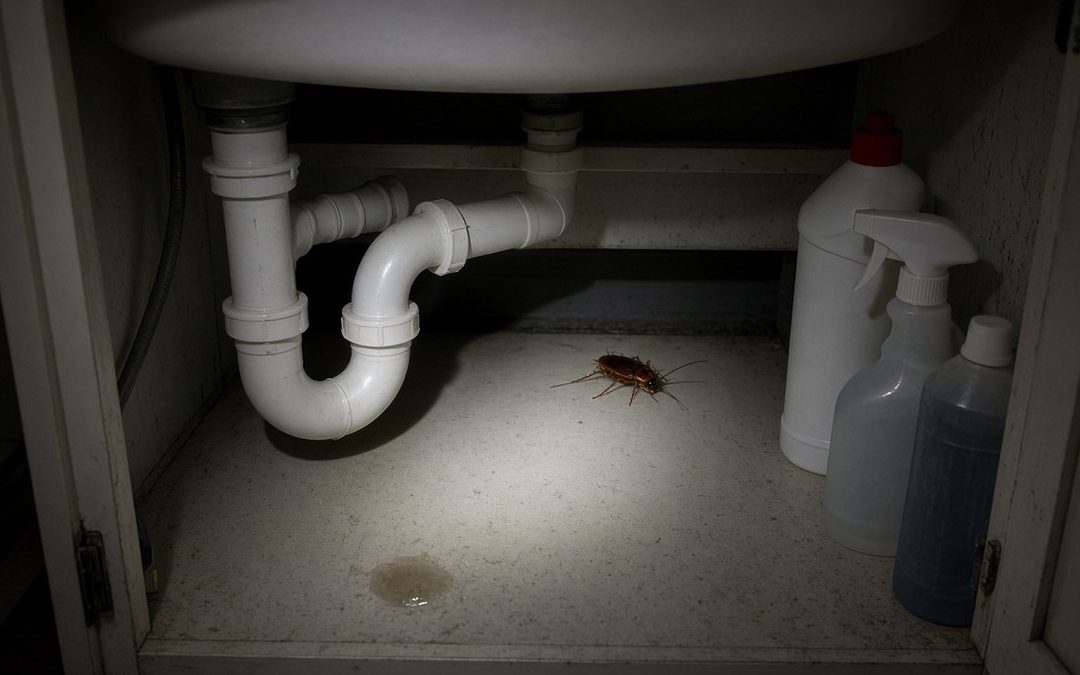
You figured cold weather would take care of the roaches. Then you flip on the kitchen light at 11 p.m. and one runs under the stove. Cockroaches in winter don’t die off in Washington, Utah. They slow down and move to the warmest, dampest parts of your house, and they wait for spring to breed. Here’s where they hide, why winter is the best time to deal with them, and what to do if you’re seeing them now in Washington, St. George, Hurricane, or out in Washington Fields.
What cockroaches do when it gets cold
Cockroaches are cold-blooded. When temperatures drop, they get sluggish, but they don’t die. They move deeper into wall voids, behind appliances, and into warm areas of your home. When spring arrives, they come back out and breed.
Different species act differently:
- German cockroaches are small, about half an inch, light brown with two dark stripes behind the head. They live only indoors and breed year-round, winter included. They’re the most common pest roach in Utah.
- American cockroaches are the big ones, up to about 2 inches, reddish-brown. They like warm, moist spots like garages, utility areas, and around sewer lines. They’re common in Southern Utah.
- Oriental cockroaches are about an inch long, shiny dark brown to black, and are often called “water bugs.” They like drains, under sinks, and damp areas. Outdoor roaches like these move inside looking for warmth.
Where cockroaches in winter hide
In winter, think warm, damp, and dark:
- Under the kitchen and bathroom sinks, especially around pipes.
- Behind and under the refrigerator, stove, and dishwasher, where motors put off heat.
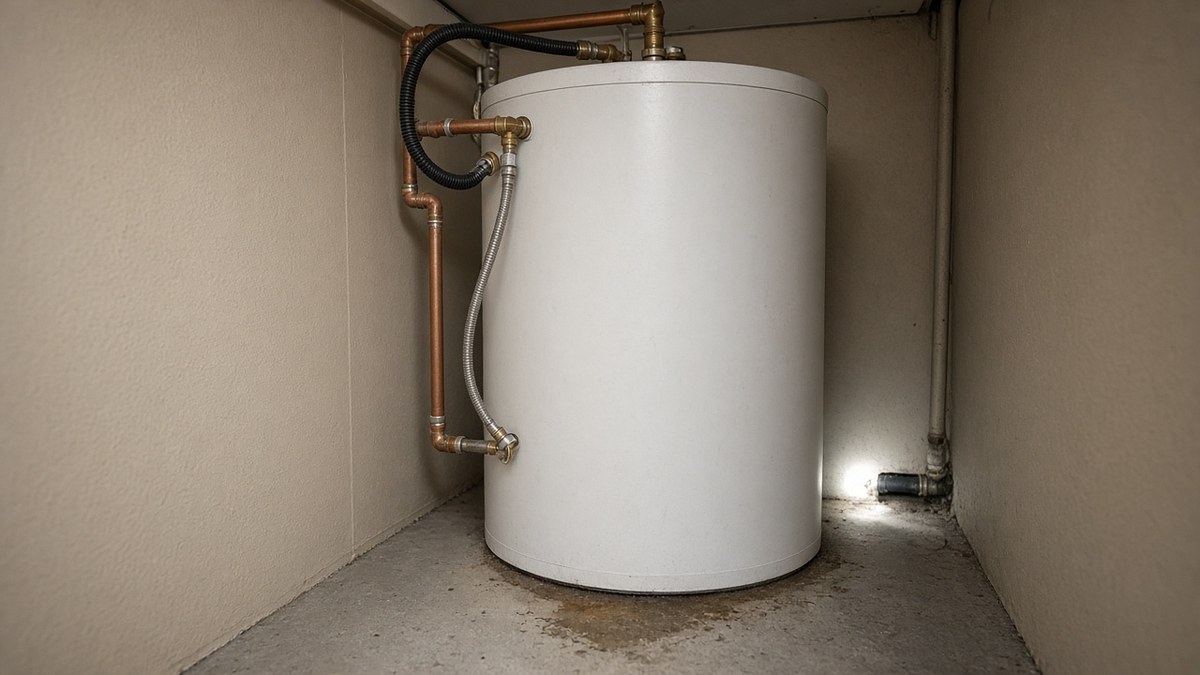
- Water heater closets and furnace areas.
- Laundry rooms, behind the washer and dryer.
- Inside wall voids and around plumbing gaps.
- Cardboard boxes in the garage or pantry.
Signs you have a roach problem
- Roaches scattering when you turn on a light.
- Small, dark droppings that look like coffee grounds or pepper.
- Brown, oval egg cases near cabinets or appliances.
- Shed skins in hidden areas.
- Brown smear marks along walls, counters, or baseboards.
- A musty, oily smell that gets stronger as the population grows.
Roaches are nocturnal. If you’re seeing them during the day, that usually means there are a lot of them.
Roaches aren’t just gross. They track bacteria across counters and dishes, and their droppings and shed skins carry allergens that can bother people with asthma or allergies. That’s a good reason not to let a winter sighting slide until spring.
Why winter is the right time to treat
When roaches are slowed down and bunched up in a few warm spots, treatment can be placed right where they are. If you wait until spring, they spread back out and breed, and a few roaches under one sink can turn into roaches in every room. Treating through winter helps stop that spring population jump. That’s a big reason we recommend keeping service going through the colder months; our post on whether you need pest control in winter in Utah covers the rest.
What you can do right now
- Fix leaks. Drips under sinks, around the water heater, and at the washer give roaches the water they need.
- Clean behind appliances. Grease and crumbs behind the stove and fridge are a food supply.
- Don’t leave pet food out overnight.
- Get rid of cardboard. Roaches hide in it and can be carried in on it.
- Seal gaps around pipes under sinks and where plumbing enters walls.
- Take trash out nightly and use a lidded can.
Skip the bug bombs. Foggers coat surfaces but don’t reach the cracks where roaches actually live. Store-bought repellent sprays can push roaches deeper into walls and spread the problem to other rooms.
How we treat cockroaches
Our cockroach treatment starts with figuring out which species you have, because German roaches need a very different approach than Oriental roaches. Then we use professional gel baits, crack-and-crevice treatment, dust in wall voids, and exterior barrier treatment where it fits. Gel baits are placed in concealed areas out of reach of kids and pets. Because egg cases resist most products, follow-up visits target the young roaches that hatch after the first treatment.
We’re a family-owned company, here since 2003. No contracts. If you’re on a monthly or bi-monthly plan and roaches come back between visits, so do we, at no charge. Call in the morning and we can often come out the same day.

Seeing roaches this winter? Call Bug Blasters: Utah (435) 229-7701 | Nevada (702) 350-2320.
Frequently asked questions
Do cockroaches die in the winter?
No. Cockroaches slow down in the cold but don’t die. They move into wall voids, behind appliances, and into warm areas of your home, then breed when it warms up. German cockroaches live indoors and breed year-round.
Why am I seeing cockroaches in winter?
They’re looking for warmth, water, and food, and your kitchen, bathrooms, and water heater closet have all three. Seeing them during the day usually means a larger population.
Should I use a bug bomb for roaches?
We don’t recommend it. Foggers coat surfaces but don’t reach the cracks and wall voids where roaches live, and they leave residue on counters and dishes.
Is cockroach treatment safe for kids and pets?
Yes. Gel baits are placed in cracks, crevices, and concealed areas kids and pets can’t reach, and exterior treatments are safe once dry, typically about 30 minutes.
Do you treat for cockroaches in Washington, Utah?
Yes. We treat homes in Washington, Washington Fields, St. George, Hurricane, and the rest of Washington County. Call Utah (435) 229-7701 | Nevada (702) 350-2320.